
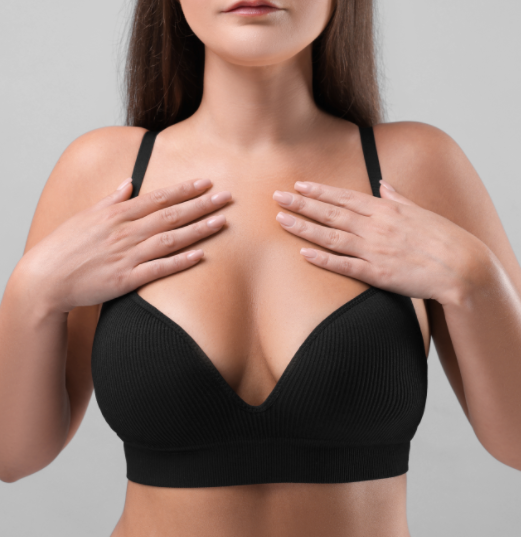




Cosmetic surgery is performed to enhance a person’s appearance by improving aesthetic features such as the face, breasts, or body. Examples include facelifts, breast augmentation, and liposuction. Reconstructive surgery, on the other hand, is performed to restore function and appearance following trauma, congenital conditions, or medical treatments, such as breast reconstruction after mastectomy or skin grafts for burns.

PLASTIC SURGEON & COSMETIC SURGERY SHEFFIELD
Elegant Cosmetic & Plastic Surgery by a Surgeon you trust…






Elegant Cosmetic & Plastic Surgery By A Surgeon You Trust…
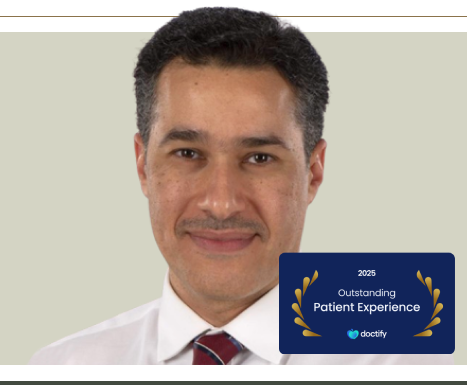
Enhance your confidence with expert care from a highly experienced Plastic Surgeon in Sheffield. Dr. Guirgis Awad combines precision, compassion and advanced techniques to deliver natural-looking results. Patients from across South Yorkshire trust his reputation for outstanding cosmetic plastic surgery and reconstructive expertise.
ABOUT YOUR PLASTIC SURGEON
Plastic Surgeon in Sheffield…
As a highly experienced plastic surgeon in Sheffield, who is also the lead clinician for breast reconstruction and corrective surgeries in Sheffield teaching hospitals, Dr. Guirgis Awad combines advanced surgical skill with a patient-first approach to deliver outstanding results in plastic, reconstructive, and aesthetic procedures.
Known for his meticulous technique and warm, honest care, Dr. Awad takes the time to truly understand each patient’s goals—offering personalised treatment plans that reflect both their needs and their vision for change.
Patients across Sheffield and South Yorkshire choose Dr. Awad because he unites the artistry of an aesthetic surgeon with the technical expertise of a consultant, ensuring every procedure – whether cosmetic, plastic or reconstructive – is approached with the same dedication to safety, detail and elegant results.
Surgical Procedures
Each patient’s clinical needs and perceptions are different. That’s why your plastic surgeon, Dr. Awad, will provide a personal service, getting to know you and tailoring your treatment accordingly. His comprehensive range of cosmetic plastic surgery procedures includes breast, body and facial surgery as well as complex reconstruction. As an aesthetic surgeon serving Sheffield and South Yorkshire, Dr. Awad ensures every treatment is designed to enhance natural features and restore confidence with lasting results.
Your Journey Explained
Each patient’s clinical needs and perceptions are different. That’s why Dr. Awad will provide a personal service, getting to know you and tailoring your treatment accordingly.
From the very first consultation through to aftercare, your journey with Dr. Awad is built around transparency, expertise and compassion. As a trusted cosmetic surgeon in Sheffield, he prioritises your safety and comfort at every stage, offering clear explanations and personalised support so you can make informed choices about your surgery. Patients across South Yorkshire value his commitment to combining advanced plastic cosmetic surgery techniques with approachable, patient-focused care.
Consultation
Your journey begins with a comprehensive consultation where Dr. Awad attentively listens to your aesthetic goals and medical history. He provides detailed information about potential procedures, addressing any concerns to ensure you are well-informed and comfortable with your choices. This collaborative approach lays the foundation for a tailored treatment plan that aligns with your aspirations.
Treatment
On the day of your procedure, Dr. Awad and his dedicated team prioritise your safety and comfort. Utilising advanced surgical techniques within state-of-the-art facilities, they strive to achieve natural-looking results that enhance your confidence. Throughout the process, open communication is maintained to keep you informed and at ease.
Aftercare
Post-procedure, Dr. Awad emphasizes the importance of personalised aftercare to support optimal healing and satisfaction. Detailed recovery guidelines are provided, and follow-up appointments are scheduled to monitor your progress. Dr. Awad’s team remains accessible to address any questions or concerns, ensuring you feel supported during your recovery journey.
Frequently Asked Questions
Our patients naturally have lots of questions. Here are answers to the most common questions we get asked about our plastic surgery treatments.
- What is the difference between cosmetic and reconstructive surgery?
- Am I a good candidate for plastic surgery?
- How long is the recovery time after surgery?
- Are the results of plastic surgery permanent?
- What are the risks associated with plastic surgery?
- Will plastic surgery leave visible scars?
What is the difference between cosmetic and reconstructive surgery?
Am I a good candidate for plastic surgery?
Suitability for plastic surgery depends on various factors, including your overall health, expectations, and specific medical conditions. During your consultation, Dr. Guirgis Awad will assess your needs, discuss realistic outcomes, and ensure that surgery is the best option for you. Ideal candidates should be in good physical health, have stable mental well-being, and hold realistic expectations about the results.
How long is the recovery time after surgery?
Recovery time varies depending on the procedure. Minor treatments may have a short downtime of a few days, while more extensive surgeries, such as abdominoplasty (tummy tuck) or breast surgery, may require several weeks for full recovery. Following post-operative care instructions, avoiding strenuous activities, and attending follow-up appointments will help ensure optimal healing.
Are the results of plastic surgery permanent?
While many procedures offer long-lasting results, factors such as ageing, lifestyle, and weight fluctuations can affect the outcome over time. Some treatments, like rhinoplasty or ear surgery, provide permanent structural changes, while others, such as facelifts or breast augmentation, may require maintenance or revision in the future.
What are the risks associated with plastic surgery?
As with any surgical procedure, plastic surgery carries risks, including infection, scarring, anaesthesia complications, and unsatisfactory results. Choosing an experienced, board-certified surgeon like Mr. Guirgis Awad significantly reduces these risks. During your consultation, all potential risks will be discussed in detail to ensure you make an informed decision.
Will plastic surgery leave visible scars?
Most surgical procedures will leave some degree of scarring, but a skilled surgeon will place incisions strategically to minimise visibility. Over time, scars typically fade and become less noticeable. Following aftercare instructions, such as avoiding sun exposure and using recommended scar treatments, can further improve healing and appearance.

COSMETIC SURGERY SHEFFIELD
Plastic Surgeon & Reconstructive Surgery Sheffield
If you’re considering Cosmetic Surgery in Sheffield or exploring your options for Reconstructive Surgery in Sheffield, you’re in the right place. With years of specialist experience, Dr. Awad is dedicated to providing personalised care in a calm, professional environment. Whether you’re looking to enhance your confidence or restore form and function, every treatment is tailored to your needs with compassion and attention to detail. Feel reassured knowing you’re in safe hands—discover the right path for you today.
As an experienced aesthetic surgeon serving South Yorkshire, Dr. Awad’s approach to plastic cosmetic surgery combines medical excellence with a focus on subtle, elegant outcomes, so you feel empowered and confident at every stage.

News & Resources
Knowledge is power, so we write regular articles helping our visitors understand the various plastic surgery treatments we offer.

Recovering from Breast Reduction Surgery: What to Expect

Body Sculpting: How Liposuction Can Help You Achieve Your Desired Shape
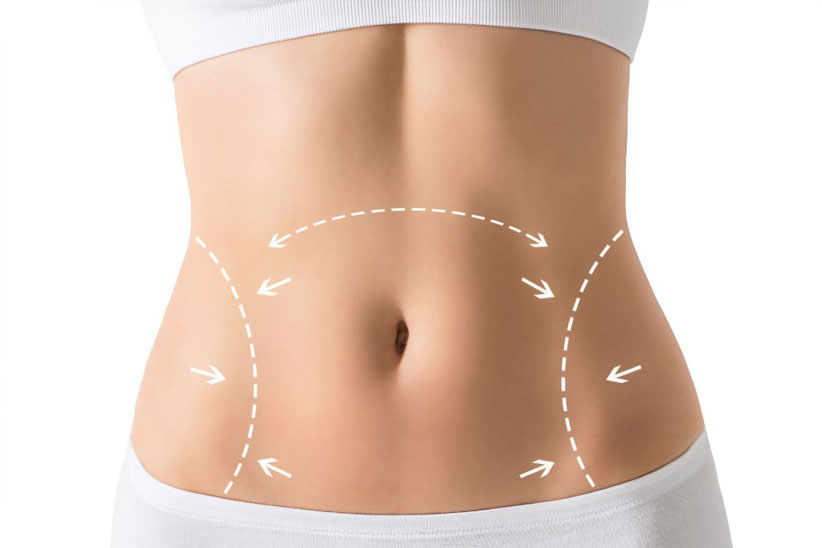
Body Harmony: Exploring the Aesthetic Miracles of Tummy Tuck Procedures
Charting the Course: Understanding Your Choices in Breast Surgery

Breast Lift vs Augmentation: Choosing the Right Procedure

What is Gynecomastia Surgery? Insights into Male Breast Reduction
Stay up to date?
Enter your email address below to receive more information about Dr. Awad’s plastic surgery treatments and your treatment journey.